


Look at the picture below:
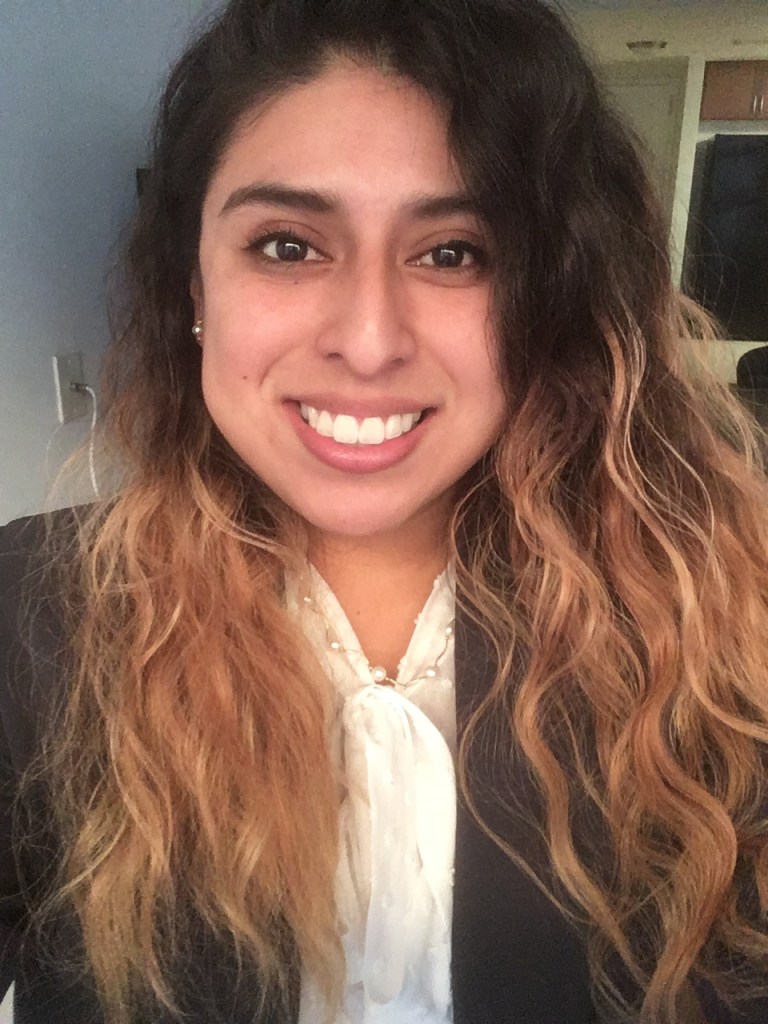
What do you see? Do you see a powerful, independent, intellectual woman? Or do you assume other characteristics that could define her simply based on her gender and the color of her skin? I would not be surprised if your initial words were: kind, loving, nurturing, and graceful. Nor would I be surprised if you said the following: ethnic, exotic, and spicy (my least favorite). The person in the image, is me! Don’t feel bad, it is not unusual for one to use gender or racial terms to describe somebody, however, the real question that needs to be addressed is the following: why are people quick to describe somebody with a gender or racial related term simply based off of what they see? Surprisingly, the answer lies in front of your face without you knowing it – media.
This then brings the criteria and questions that I will be attempting to answer in this blog: What is media’s contribution to gender or racial stereotyping? In this blog alone, I will be discussing the affects that media has on Latina perceptions.
A bit of review before we get started…
As learned from my Introduction to Communication course, perception is the process by which we come to understand the stimuli (any sensory information) in our world. Culture is the sum of knowledge, beliefs, values, and patterns of behavior shared by members of a group. Mass media are outlets through which mass communication messages are conveyed, such as television, radio, print, media formats, and the internet.
Using logic: culture defines our perception. Perception is taught. Therefore, can our culture/perception be influenced/reflect what we see in media?
Clara E. Rodriguez attempts to answer this question with her book America, as seen on TV:
“It has been found that the way in which gender and particular racial and ethnic groups are portrayed tends to convey and reinforce views of these groups as marginal, or lower social status, and irrelevant (as groups) to the main story lines… Researchers have also found that when racial and ethnic characters are involved, they tend to be cast not in lead roles but in supporting silent-extra roles,”
(Rodriguez, America, as seen on TV: how television shapes immigrant expectations around the globe, 2018, pp. 17-19).
Even more shocking to us was when I read about the powerful impact of misrepresentations, as Merkins discusses the accumulation theory:
“[I]f the mass media, including advertising, present information in ways that are consistent, persistent, and corroborated, this instruction is likely to have long-term, power effects. Stereotyping, as a media effect, gains power and credibility the longer and more regularly the same information is presented, in the same way, to the same audiences,”
(Rodriguez, America, as seen on TV: how television shapes immigrant expectations around the globe, 2018, pp. 17-19).
Movies, television shows, and any other form of media is supposed to reflect society. Because of this, people correlate what they see on television or movies as truth. Take my own experience. Whenever one heard that I was Latina, they quickly think of the following images:

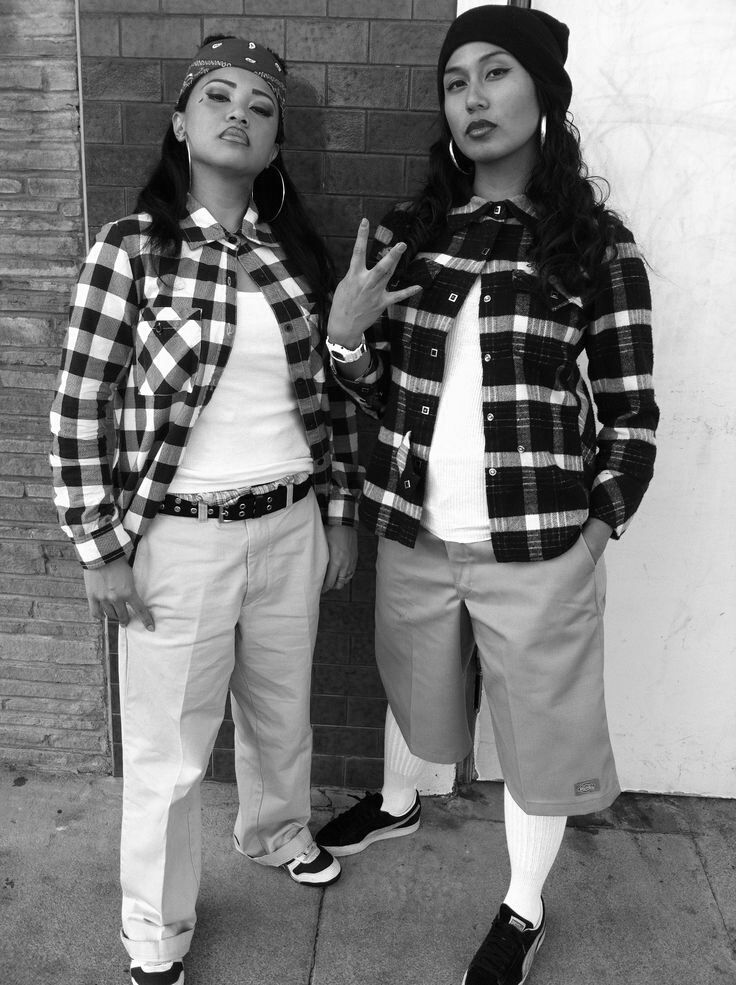
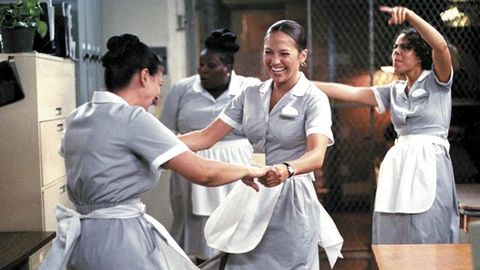
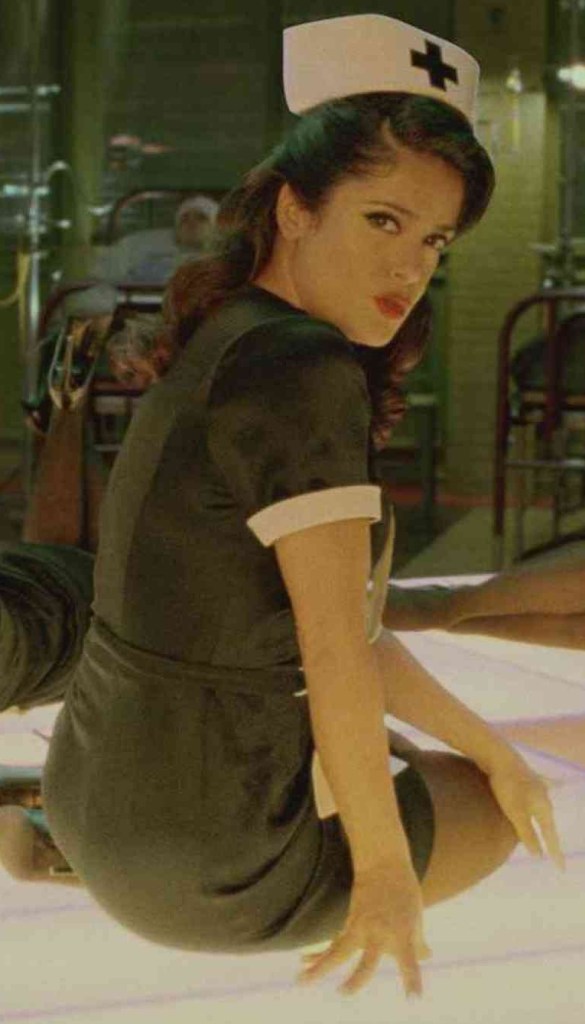

Latina’s are thought of as maids, hot nurses, sex symbols, if not maids, then sexy maids, and “cholas,” this is a term used to describe a female gangster. How is it that people jump to this conclusion?
The following video describes how media affects ethnic portrayal. Please be advised that the interviewee does curse in the YouTube video, so viewer discretion is advised.
I hope that this blog helped show the affects that media has had on Latina women and other minorities. However, there is still some hope for the future as discussed in Rodiguez’s book:
“These results point to the strong possibility that media messages can meaningfully impact on the self-concept and esteem of racial/ethnic audiences, given more plentiful and constructive characterizations.”
(Mastro, “Race and Ethnicity in U.S. Media Content and Effects”, 2017).
Only time will tell when racial stereotyping will continue or devolve in the next upcoming years.
 A Traveling Clouds